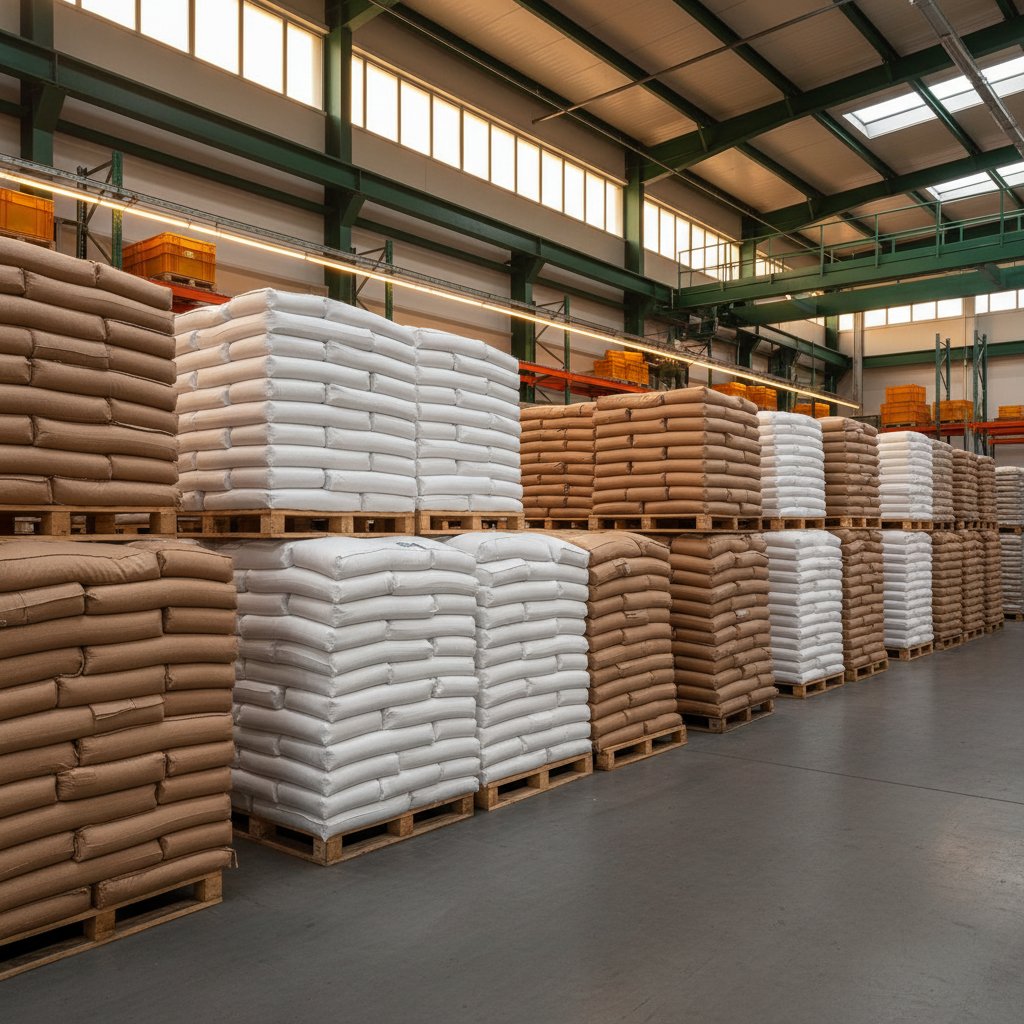
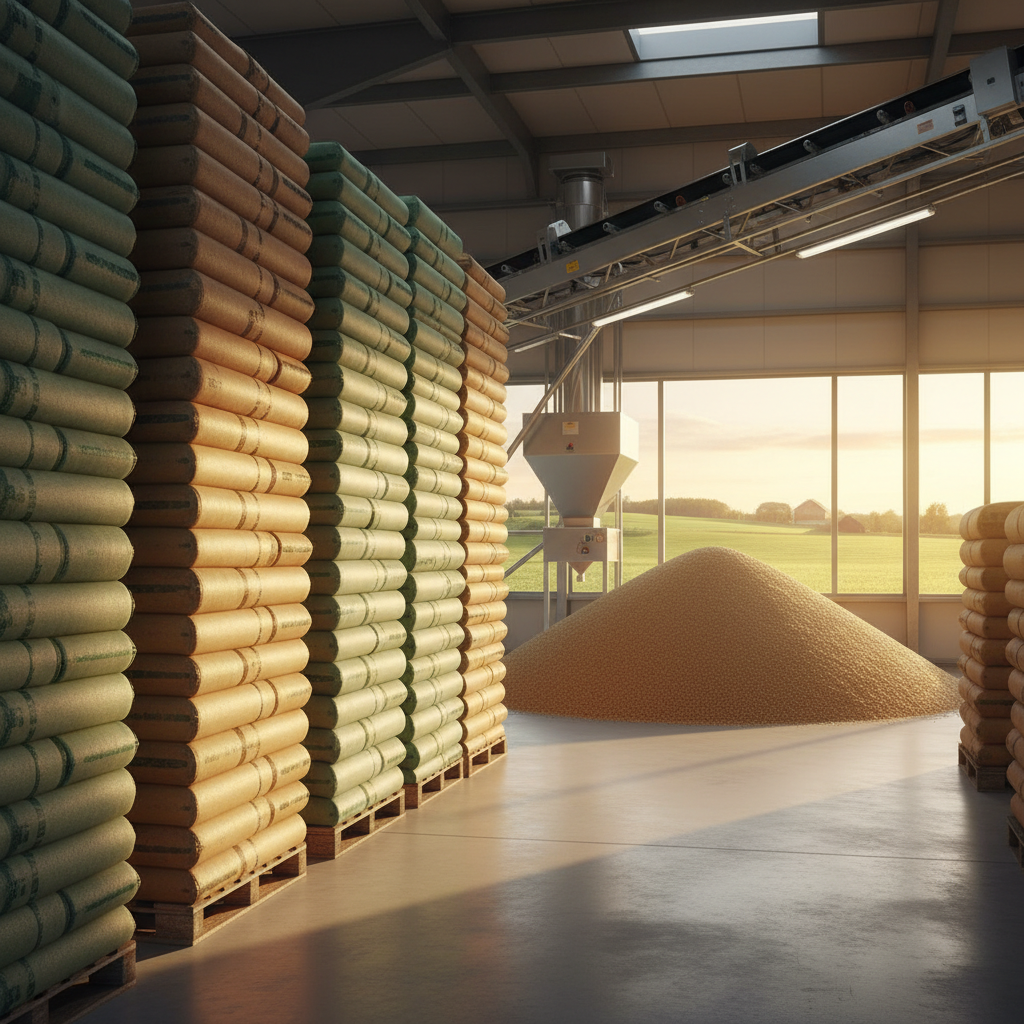
Woven polypropylene bags filled with grain stacked in an agricultural warehouse
Woven Strong. Printed Sharp. Delivered In Volume.

Woven Polypropylene Bags for Every Product and Purpose

Durable woven polypropylene bags for feed and seed suppliers, construction and flood control, agricultural processors, and consumer brands. High tensile strength, custom printing, and food-grade options, from stock sacks to fully laminated BOPP runs.

  • Woven PP tape fabric, not paper, jute or non-woven felt
  • Standard sacks, BOPP laminated print runs, sandbags, lined bags
  • Coatings, liners and food-grade constructions
  • Sack sizes through FIBC bulk bags

The fundamentals

What woven polypropylene is, and why it took over the sack

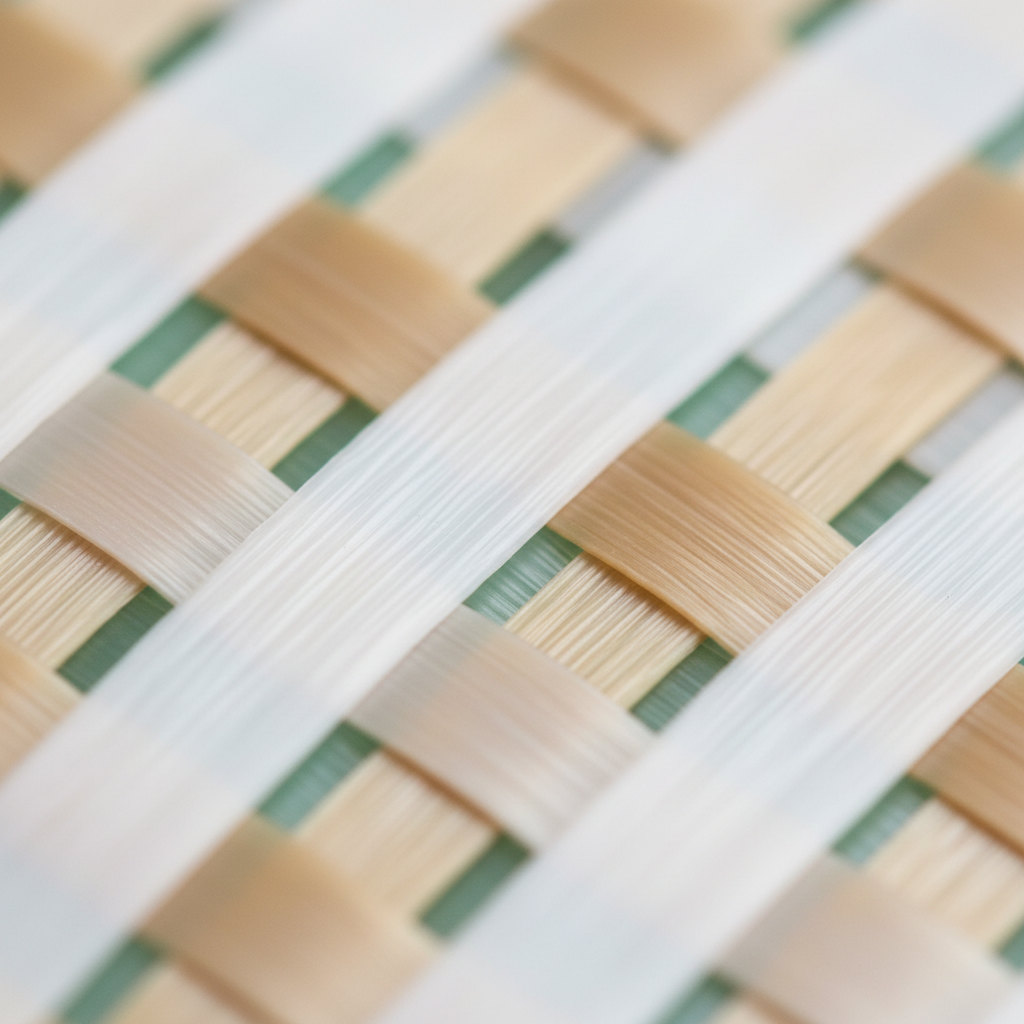
Woven polypropylene starts life as PP resin extruded into a thin film, which is slit into narrow tapes and stretched so the polymer chains align along the tape. That orientation is what gives each tape its remarkable tensile strength. The tapes are then woven over and under each other on looms, exactly like threads in cloth, producing a fabric that is strong in both directions, light, and resistant to tearing.

Against the traditional sack materials the comparison is not close. Woven PP carries far more load per gram of material than paper, keeps its strength when it gets wet, shrugs off rough handling that would burst a multi-wall paper sack, and does not rot or attract pests the way jute can. A tear tends to stay local instead of running, because the crossing tapes arrest it. That combination of strength-to-weight, tear resistance and moisture tolerance is why woven PP displaced paper and jute across feed, seed, grain and construction packing.

The fabric is woven two ways. Circular weaving produces a continuous tube of fabric, so the bag body has no side seams, only a stitched bottom. Most feed, seed and grain sacks are made this way, because a seamless tube is stronger and cheaper to convert. Flat weaving produces sheet fabric that is cut and sewn into panels, which is how larger and more complex constructions, including FIBC bulk bags, are assembled.

Why the weave matters to a buyer

Uncoated woven fabric is breathable, which suits products that need airflow, and it accepts coatings, laminations and liners when they do not. Almost every decision in the buying guide below comes back to one question: what does your product need the weave to let through, and what must it keep out?

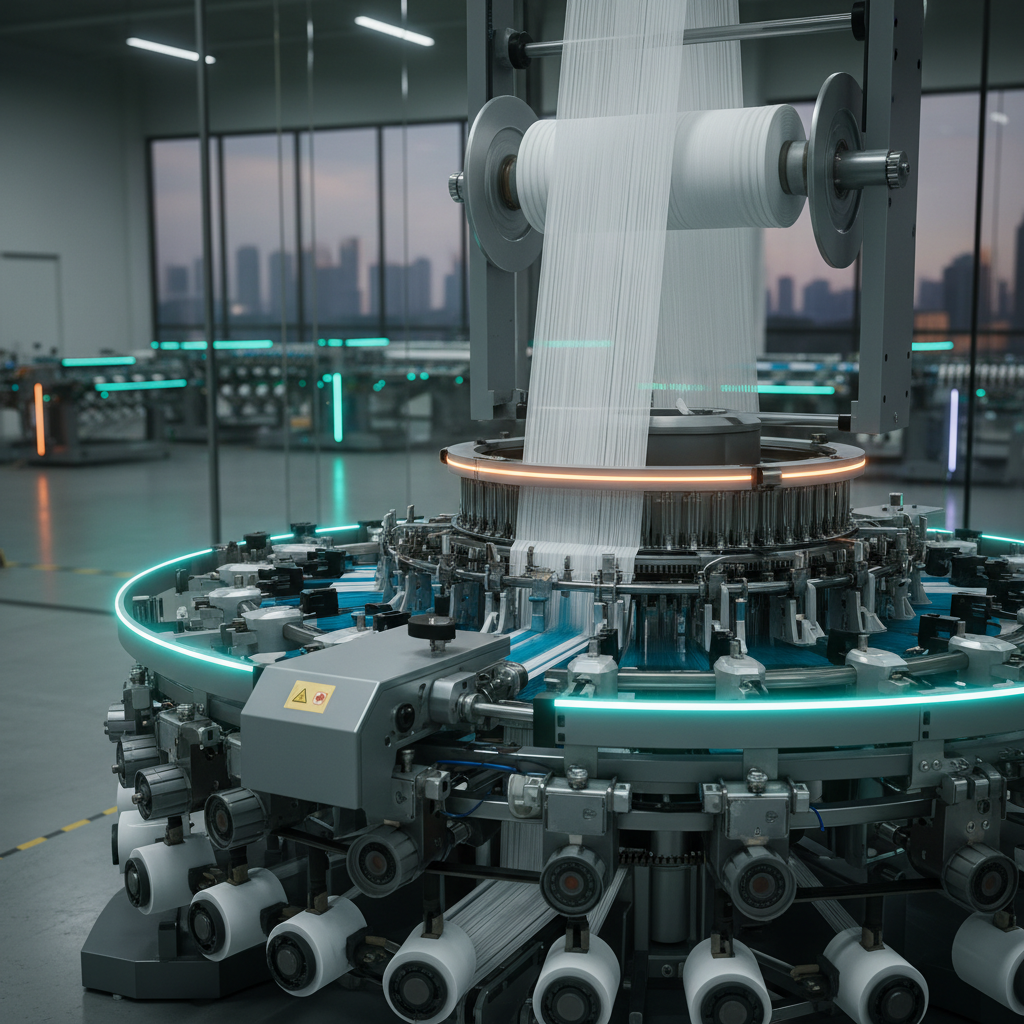
Polypropylene tape fabric being woven on circular looms in a bag manufacturing plant
Tape extrusion
PP resin becomes film, slit into tapes and stretched to align the polymer for strength.
Weaving
Tapes woven on circular or flat looms into tubular or sheet fabric.
Coating & lamination
Optional PP coating or printed BOPP film bonded to the fabric for barrier and graphics.
Conversion
Cutting, printing, folding and stitching turn fabric into finished bags with hems, gussets and closures.

The lineup

Types of woven polypropylene bags

Four constructions cover the overwhelming majority of woven PP orders. They share the same base fabric; what changes is the finish, the barrier and the printing.

Plain woven polypropylene sacks filled with feed and seed stacked on a pallet

Standard Woven PP Sacks

Feed, seed, grain and aggregates

  • The workhorse: circular-woven tube body, stitched bottom, open mouth sewn or heat-sealed after filling.
  • Uncoated fabric breathes, which suits grain, feed and other products that need airflow in storage.
  • Printable with simple line graphics and text for identification and compliance marking.
  • The lowest-cost construction per bag, and the one distributors hold in stock sizes.
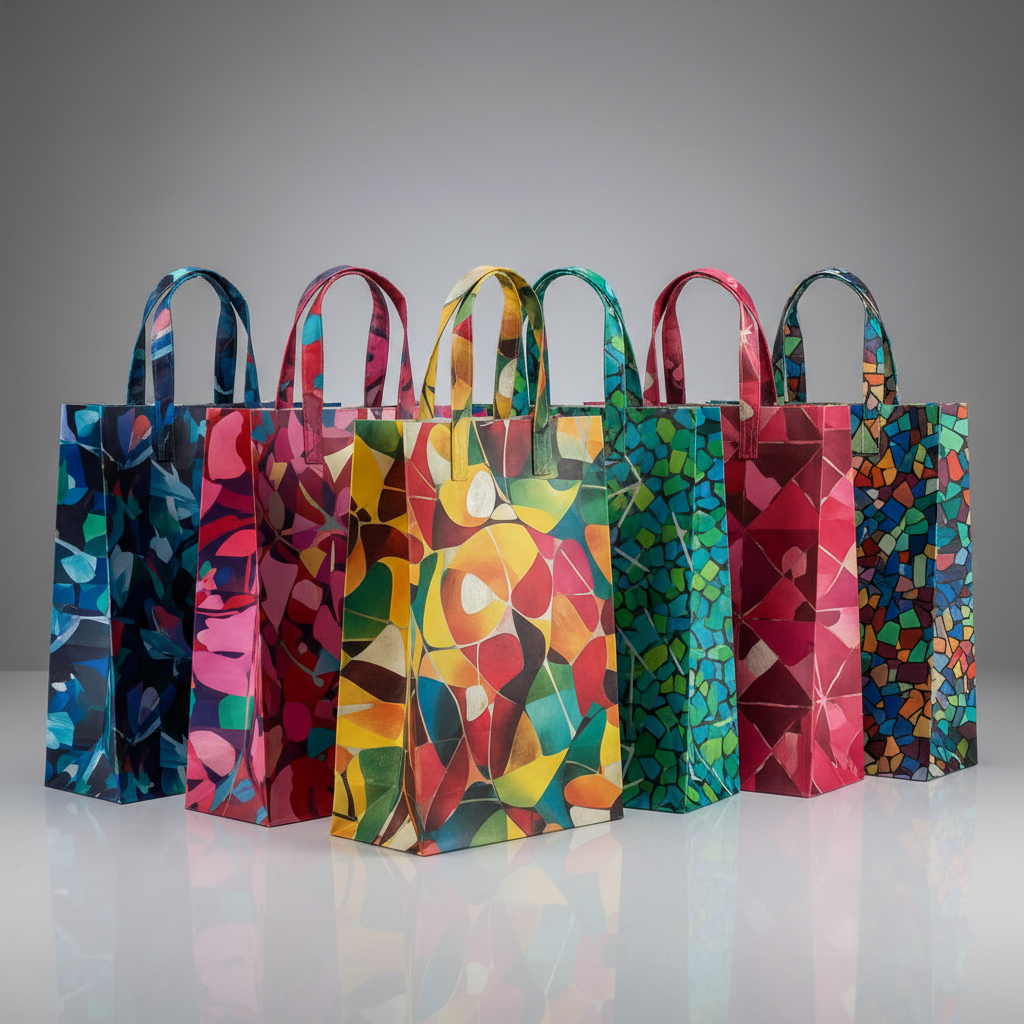
Retail shelf display of BOPP laminated woven polypropylene bags with full-color printed branding

BOPP Laminated Printed Bags

High-graphics retail packaging

  • A reverse-printed BOPP film laminated onto the woven fabric gives photo-quality, shelf-ready graphics.
  • The lamination also adds a moisture barrier and a wipe-clean gloss or matte surface.
  • The standard construction for branded pet food, feed, seed, lawn and garden products in retail.
  • Setup for each design means higher minimums; it earns its cost where the bag has to sell the product.
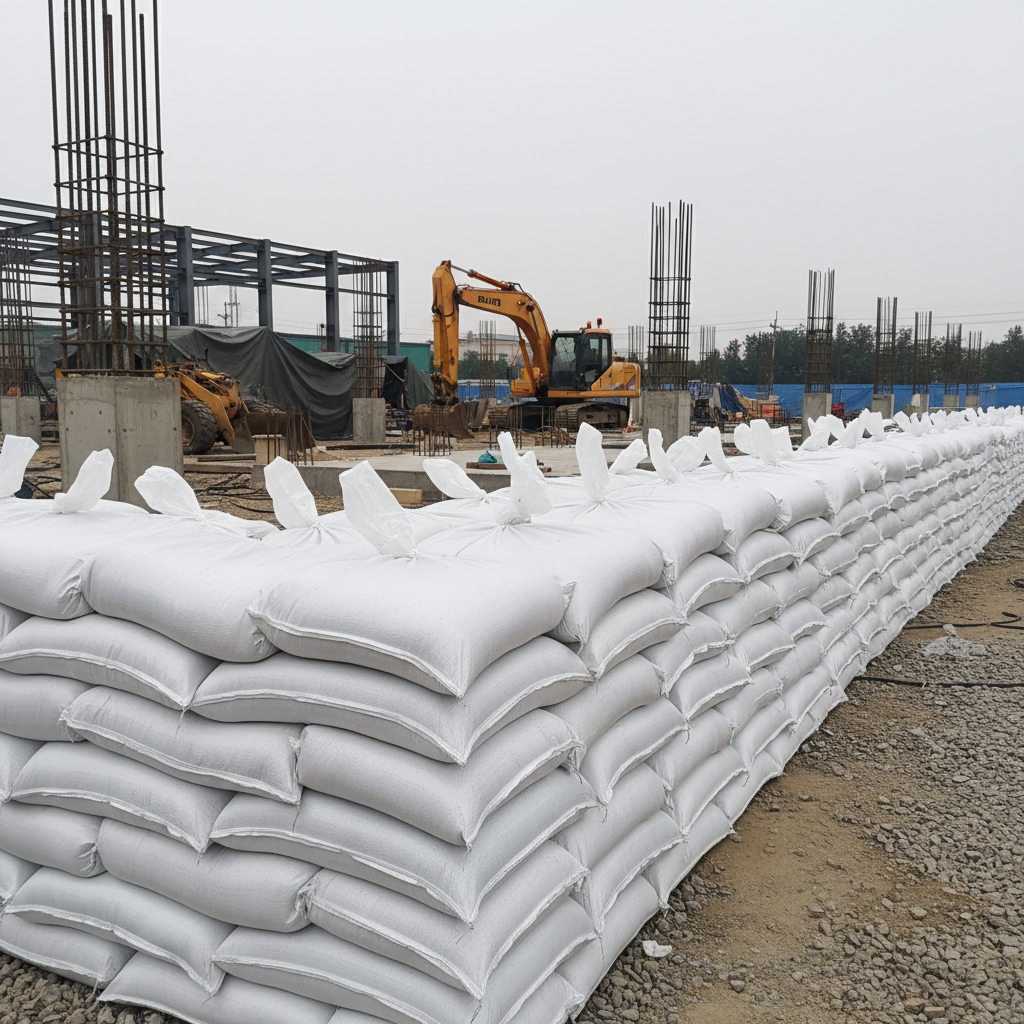
UV-stabilized woven polypropylene sandbags stacked into a flood barrier wall

Sandbags & Flood Control

UV-stabilized for outdoor exposure

  • Smaller, heavier-woven bags sized to be filled on site, tied and stacked into barriers and ballast.
  • UV-stabilized fabric resists embrittlement in direct sun; untreated PP degrades outdoors.
  • Used by municipalities, contractors and emergency management, and stockpiled ahead of storm seasons.
  • A service-life item: even stabilized bags weather, so rotation and inspection matter in long deployments.
Close-up of woven polypropylene fabric showing the crossing tapes and a laminated coating

Coated & Lined Bags

Moisture barriers and food-grade liners

  • A thin PP coating on the fabric closes the weave against moisture, dust and product sifting through.
  • Inner polyethylene liners add a stronger barrier and a food-contact surface for direct-fill products.
  • The construction of choice for sugar, salt, flour, resins, fertilizers and fine mineral powders.
  • Barrier, liner and food-grade requirements should be specified together at the enquiry stage.

Scaling up

Beyond sacks: FIBC bulk bags

The same woven PP technology scales from hand-carried sacks to FIBCs, flexible intermediate bulk containers, often just called bulk bags or tote bags. These are heavy flat-woven fabric bodies with lifting loops, moved by forklift or crane rather than by hand, and they typically carry roughly half a tonne to over a tonne of product each.

FIBCs are their own discipline, with safe working loads, safety factors, electrostatic classifications for flammable environments, and single-trip versus multi-trip ratings. If your volumes have outgrown stitched sacks, that is the conversation to have with a supplier, and the fabric knowledge on this page carries straight over.

Where they work

Applications

If a product is granular, dry and moved in quantity, there is probably a woven PP bag under it somewhere between production and point of use.

Agriculture & Feed

Feed, seed, grain and fertilizer sacks, from plain field-and-mill bags to branded BOPP retail packaging. Breathable uncoated fabric suits stored grain; coated or lined bags protect milled and treated products.

Construction & Aggregates

Sand, gravel, cement-adjacent dry mixes and debris. Woven PP tolerates sharp aggregate, rough site handling and repeated lifting that destroys paper sacks.

Flood Control & Emergency Response

UV-stabilized sandbags filled and stacked into temporary barriers, levee reinforcement and ballast. Light to stockpile empty, fast to deploy, and effective when placed correctly.

Chemicals & Minerals

Resins, salts, fertilizers and mineral powders in coated or lined constructions that keep moisture out and fine product in. Compatibility and barrier requirements drive the specification.

Retail & Consumer Packaging

Pet food, birdseed, lawn and garden products in BOPP laminated bags whose graphics have to compete on a shelf. The bag is both the package and the advertisement.

Recycling & Reuse

Collection and sorting of recyclables, scrap and textiles, where an inexpensive, tough, reusable bag earns its keep across many trips before it is itself recycled.

Specifying an order

How to choose a woven PP bag

A bag quote is only comparable to another bag quote when both describe the same construction. These are the specification points that define what you are actually buying, and the trap that goes with each one.

Key woven polypropylene bag specifications, what each one governs, and what to watch for
SpecificationWhat it governsWhat to watch for
Fabric weight (GSM)Grams per square metre of fabric. Heavier fabric means a stronger, stiffer, more puncture-resistant bag.Match the weight to the product density and handling, not to habit. Overweight fabric is money; underweight fabric is burst sacks on the dock.
Coated vs uncoatedWhether a thin PP layer closes the weave. Coating blocks moisture, dust and sifting; uncoated fabric breathes.Products that need airflow should not be coated, and fine powders should never be uncoated. Decide from the product, then quote.
Lamination & print qualityWhether graphics are printed directly on fabric or on a laminated BOPP film, and to what resolution.Direct print suits identification; BOPP suits retail shelves. Ask for printed samples or press proofs before a first laminated run.
Food-grade complianceWhether resin, additives, coatings and liners are compliant for food contact, with documentation.Food grade is a property of the documented construction and the plant, not of polypropylene in general. Request the compliance paperwork for your market.
UV stabilizationAdditives that slow ultraviolet degradation for bags stored or used outdoors.Essential for sandbags and outdoor storage. Confirm the stabilization level and remember it extends service life; nothing makes PP permanent in the sun.
Size & gussetsBag width, length and capacity, and whether side gussets let the bag square off when filled.Size from your product's bulk density and target fill weight, not from another product's bag. Gussets change both capacity and how pallets stack.
LinersAn inner polyethylene liner, loose or inserted, adding a moisture barrier and a food-contact surface.Specify how the liner is closed, tied, heat-sealed or folded, because the closure is where barrier performance is won or lost.
Closure & fillingHow the filled bag is closed: sewn, heat-sealed, tied, or valve-filled constructions for automated lines.The closure has to match your filling equipment and line speed. Bring your filling method into the conversation early.
Minimum order quantitiesThe smallest run a supplier will produce, driven by loom setup, print setup and shipping economics.Custom printed and laminated runs carry real minimums. If your volume is small, start from stock sizes and simple print rather than forcing a custom run.

Constructions, weights and compliance options vary between manufacturers and production runs. Work from your supplier's specification sheet and samples for the exact bag being quoted rather than from generic figures.

Common questions

Woven polypropylene bag FAQ

What is the difference between woven and non-woven polypropylene?

Woven polypropylene is made from extruded PP tapes woven over and under each other like cloth, which gives the fabric high tensile strength in both directions. It is the material of load-bearing sacks for feed, seed, grain, sand and minerals. Non-woven polypropylene is made by bonding loose fibres into a felt-like sheet, which is cheaper and softer but far weaker. Non-woven PP is what reusable shopping totes and light promotional bags are made of. If the bag has to carry real weight repeatedly, woven is the one you want.

What does BOPP mean on a printed bag?

BOPP stands for biaxially oriented polypropylene, a clear PP film that has been stretched in two directions to make it strong, dimensionally stable and very printable. For retail bags, the design is printed in reverse on the BOPP film at high resolution, then the film is laminated onto the woven fabric. The result is photographic-quality graphics with a gloss or matte finish on a bag that still has the strength of woven PP underneath. It is the standard construction for branded pet food, feed, seed and lawn-care bags on store shelves.

Are woven polypropylene bags food safe?

Polypropylene itself is widely used in food-contact applications, but a bag is only food grade if the resin, additives, coatings and liners in that specific construction are compliant and the plant runs the required hygiene controls. If the bag will hold food for humans or animals, tell your supplier at the enquiry stage and request food-contact compliance documentation for your market, such as FDA requirements in the United States. Many food applications use a food-grade polyethylene liner inside the woven bag so the product never touches the outer fabric.

What sizes do woven polypropylene bags come in?

Woven PP bags are cut and sewn to order, so sizing is flexible rather than fixed. Common capacities run from small sacks holding a few kilograms up to sacks in the 25 kg and 50 kg range, which cover most feed, seed, grain and aggregate packing. Dimensions depend on capacity, gussets and the density of your product. Above sack sizes, the same fabric technology scales up into FIBC bulk bags that hold roughly a half tonne to over a tonne of product and are handled by forklift.

What is the minimum order for custom printed bags?

It depends on the print method. Simple one-to-three colour printing directly on the fabric usually carries lower minimums. BOPP laminated bags require printing cylinders or plates to be made for each design, so suppliers typically quote minimums in the thousands of bags per size and design to make the setup worthwhile. If your volumes are small, stock bags from a distributor or simple printed bags are usually the practical route while the brand grows into laminated runs.

How long do polypropylene sandbags last in the sun?

Ultraviolet light degrades untreated polypropylene, and a plain woven bag left in direct sun can become brittle within months. Sandbags intended for outdoor use are made with UV-stabilized fabric, which extends service life substantially, though how long depends on the additive package, the climate and the exposure. Treat every PP sandbag as a temporary measure with a service life, not permanent infrastructure, and confirm the UV stabilization rating with the supplier when the bags will sit exposed.

Can woven PP bags hold moisture-sensitive products?

Plain uncoated woven fabric is breathable, because air passes through the gaps between tapes. That is genuinely useful for products like grain that benefit from airflow, but it lets moisture through as well. For hygroscopic or fine products, sugar, salt, flour, chemicals and mineral powders, specify a coated fabric, a BOPP lamination, an inner polyethylene liner, or a combination. The right barrier depends on your product and climate, so describe both when you enquire.

Are woven polypropylene bags recyclable?

Polypropylene is a recyclable thermoplastic, resin code 5, and clean woven PP fabric can be reprocessed where facilities accept it. A BOPP laminated bag is still PP film on PP fabric, which keeps it a single-polymer construction and simpler to recycle than mixed-material laminates. Polyethylene liners and some coatings complicate the stream, so keep the construction mono-material where your product allows. In practice woven PP bags are also widely reused several times before disposal, which is part of their appeal over paper.

Contact

Get a Quote

Send the basics of your order and we will point you in the right direction: what the bags will hold, sizes and quantities, whether you need printing or lamination, and any food-grade or outdoor requirements.

Specifying a bag

Working out fabric weight, coating, liner and closure from what the bag has to hold and survive.

Printing decisions

Whether simple direct print does the job or the product needs a BOPP laminated retail construction.

Volume planning

Stock sizes vs custom runs, realistic minimums, and when FIBC bulk bags start to make sense.

We use what you submit only to respond to your enquiry. We do not sell or share it. See our privacy notice.